


Important Safety Information Prescribing Information
KOL Headshot KOL Headshot

Mrinalini Krishnan, MD, FACC

Regional Director, Pulmonary Hypertension, Assistant Professor of Medicine, Advanced Heart Failure Cardiologist

MedStar Heart and Vascular Institute

Washington, DC

In my experience, timely intervention can make a difference. That’s why I consider initiating UPTRAVI® earlier when appropriate.

Dr Mrinalini Krishnan is a paid consultant of Johnson & Johnson.

Real-World Evidence

See the SPHERE registry data

Arrow Image

Risk Status

Analyze the GRIPHON REVEAL
Lite 2 post hoc analysis

Arrow Image

Patient-Centric Dosing

Learn more about the dosing

Arrow Image

Pivotal Trial:
GRIPHON

Explore the efficacy and
safety data

Arrow Image
KOL Headshot

In my experience, timely intervention can make a difference. That’s why I consider initiating UPTRAVI® earlier when appropriate.

Mrinalini Krishnan, MD, FACC

Regional Director, Pulmonary Hypertension, Assistant Professor of Medicine, Advanced Heart Failure Cardiologist

MedStar Heart and Vascular Institute

Washington, DC

Dr Mrinalini Krishnan is a paid consultant of Johnson & Johnson.

Target the Foundational Prostacyclin Pathway When Treating PAH1
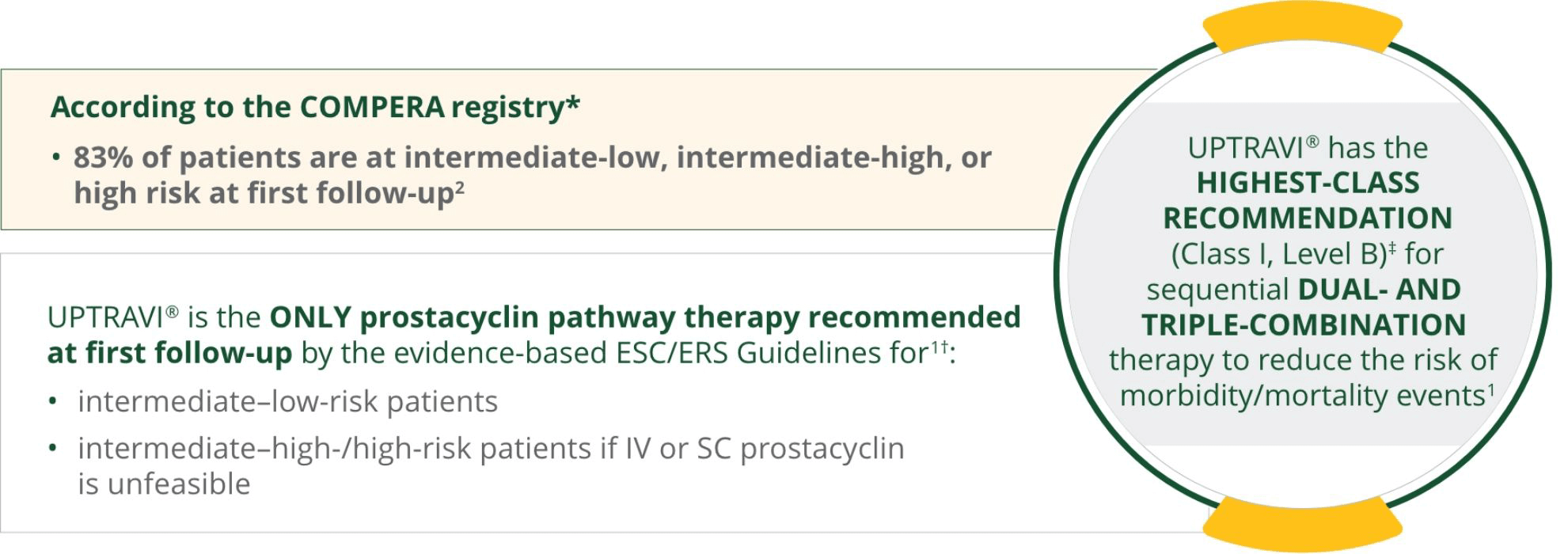
Target the Foundational Prostacyclin Pathway When Treating PAH

Based on a post hoc analysis of data from the prospective COMPERA registry (N=1655), an ongoing web-based PH registry launched in 2007 that collects baseline, follow-up, and outcome data from patients who receive targeted therapies for PH. Specialized centers in several European countries participate, with ~80% of the patients coming from German PH centers. In this analysis, patients were newly diagnosed with any form of PAH between January 1, 2009, and December 31, 2020. Risk assessment was evaluated at baseline and follow-up. At first follow-up, 17.3% (n=245) were classified as high risk, 37.8% (n=534) were classified as intermediate-high risk, 27.9% (n=395) were classified as intermediate-low risk, and 17% (n=240) were classified as low risk.2

The 2022 ESC/ERS Guidelines recommend adding UPTRAVI® for patients without cardiopulmonary comorbidities who are at intermediate-low risk despite receiving ERA/PDE5i therapy. In these patients, switching from a PDE5i to riociguat may also be considered. In patients who present as intermediate-high or high risk taking oral therapies, also consider adding UPTRAVI® or switching from a PDE5i to riociguat if it is not feasible to add IV or SC prostacyclin analogs.1

Class I recommendation definition: evidence and/or general agreement that a given treatment or procedure is beneficial, useful, effective. Level B evidence definition: data derived from a single randomized clinical trial or large nonrandomized studies.1

COMPERA=Comparative, Prospective Registry of Newly Initiated Therapies for Pulmonary Hypertension; ERA=endothelin receptor antagonist; ESC/ERS=European Society of Cardiology/European Respiratory Society; IV=intravenous; PDE5i=phosphodiesterase type 5 inhibitor; PH=pulmonary hypertension; SC=subcutaneous.


Treat early with UPTRAVI®3

2022 ESC/ERS Guidelines recommend UPTRAVI® at first follow-up for intermediate–low-risk patients1*
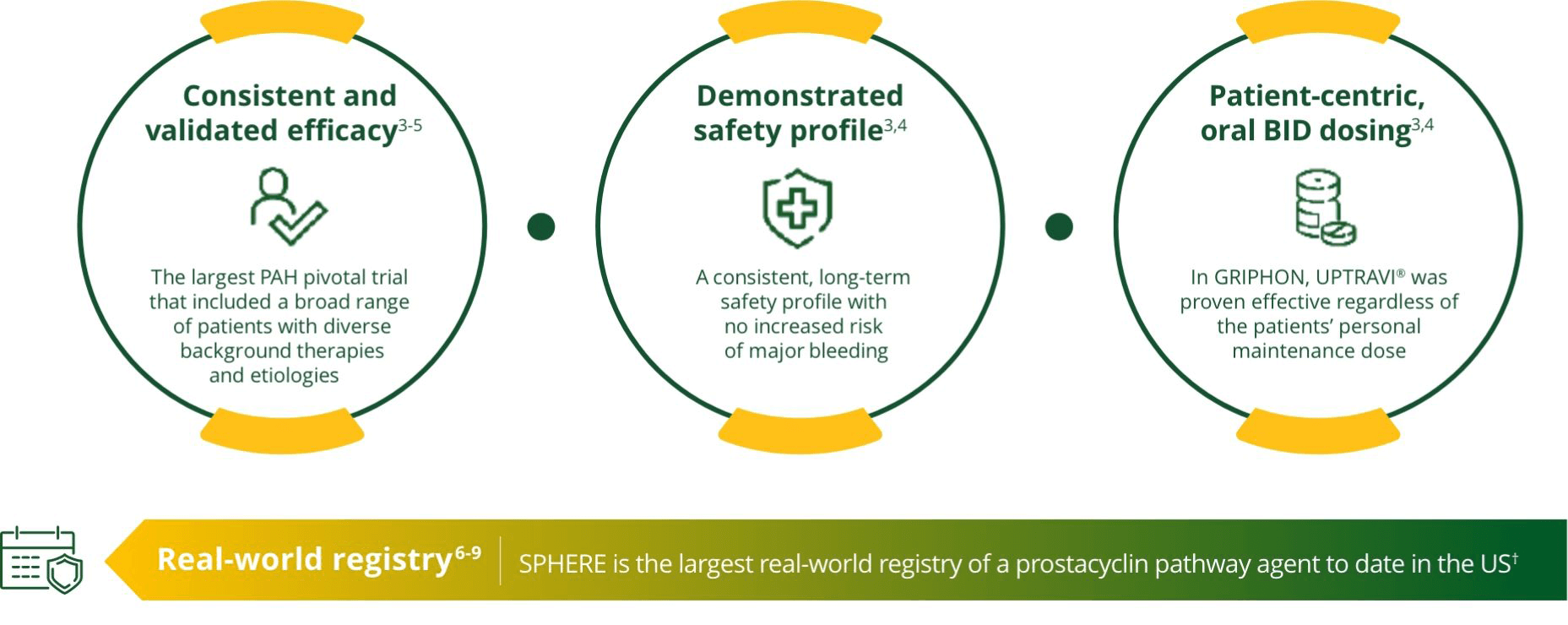
2022 ESC/ERS Guidelines recommend <span class='no-break'>UPTRAVI<sup>®</sup></span> at first follow-up for intermediate–low-risk patients

The 2022 ESC/ERS Guidelines recommend adding UPTRAVI® for patients without cardiopulmonary comorbidities who are at intermediate-low risk despite receiving ERA/PDE5i therapy. In these patients, switching from a PDE5i to riociguat may be considered. In patients who present as intermediate-high or high risk on oral therapies, also consider adding UPTRAVI® or switching from a PDE5i to riociguat if it is not feasible to add IV or SC prostacyclin analogs.

Based on published data as of January 7, 2025.

BID=twice daily (bis in die); IP=inositol phosphate; MOA=mechanism of action.

References: 1. Humbert M, Kovacs G, Hoeper MM, et al. 2022 ESC/ERS Guidelines for the diagnosis and treatment of pulmonary hypertension. Eur Heart J. 2022;43(38):3618-3731. 2. Hoeper MM, Pausch C, Olsson KM, et al. COMPERA 2.0: a refined four-stratum risk assessment model for pulmonary arterial hypertension. Eur Respir J. 2022;60(1):2102311. 3. UPTRAVI® (selexipag) full Prescribing Information. Actelion Pharmaceuticals US, Inc. 4. Sitbon O, Channick R, Chin KM, et al. Selexipag for the treatment of pulmonary arterial hypertension. N Engl J Med. 2015;373(26):2522-2533. 5. Data on file. Actelion Pharmaceuticals US, Inc. Length and Population Size of PAH Pivotal Trials Confirmation. June 2024. 6. McLaughlin V, Farber HW, Highland KB, et al. Disease characteristics, treatments, and outcomes of patients with pulmonary arterial hypertension treated with selexipag in real-world settings from the SPHERE registry (SelexiPag: tHe usErs dRug rEgistry). J Heart Lung Transplant. 2024;43(2):272-283. 7. Lachant D, Minkin R, Swisher J, et al. Safety and efficacy of transitioning from selexipag to oral treprostinil in pulmonary arterial hypertension: Findings from the ADAPT registry. Pulm Pharmacol Ther. 2023;82:102232. 8. Frantz RP, Schilz RJ, Chakinala MM, et al. Hospitalization and survival in patients using epoprostenol for injection in the PROSPECT observational study. Chest. 2015;147(2):484-494. 9. Evaluate Real-World Use of Next Generation Infusion Pumps to Administer Remodulin (EVOLVE). Clinicaltrials.gov identifier: NCT05060315. Updated January 16, 2025. Accessed January 22, 2025. https://clinicaltrials.gov/study/NCT05060315.
KOL Headshot

Based on real-world evidence from the SPHERE registry, I consider prescribing UPTRAVI® for my appropriate patients with PAH.

Mrinalini Krishnan, MD, FACC

Regional Director, Pulmonary Hypertension, Assistant Professor of Medicine, Advanced Heart Failure Cardiologist

MedStar Heart and Vascular Institute

Washington, DC

Dr Mrinalini Krishnan is a paid consultant of Johnson & Johnson.

GRIPHON Trial: The safety and efficacy of UPTRAVI® (selexipag) were demonstrated in a multicenter, double-blind, placebo-controlled, parallel-group, event-driven study in patients with symptomatic PAH (>98% WHO FC II or III). The primary endpoint was the time to first disease progression event.1,2*

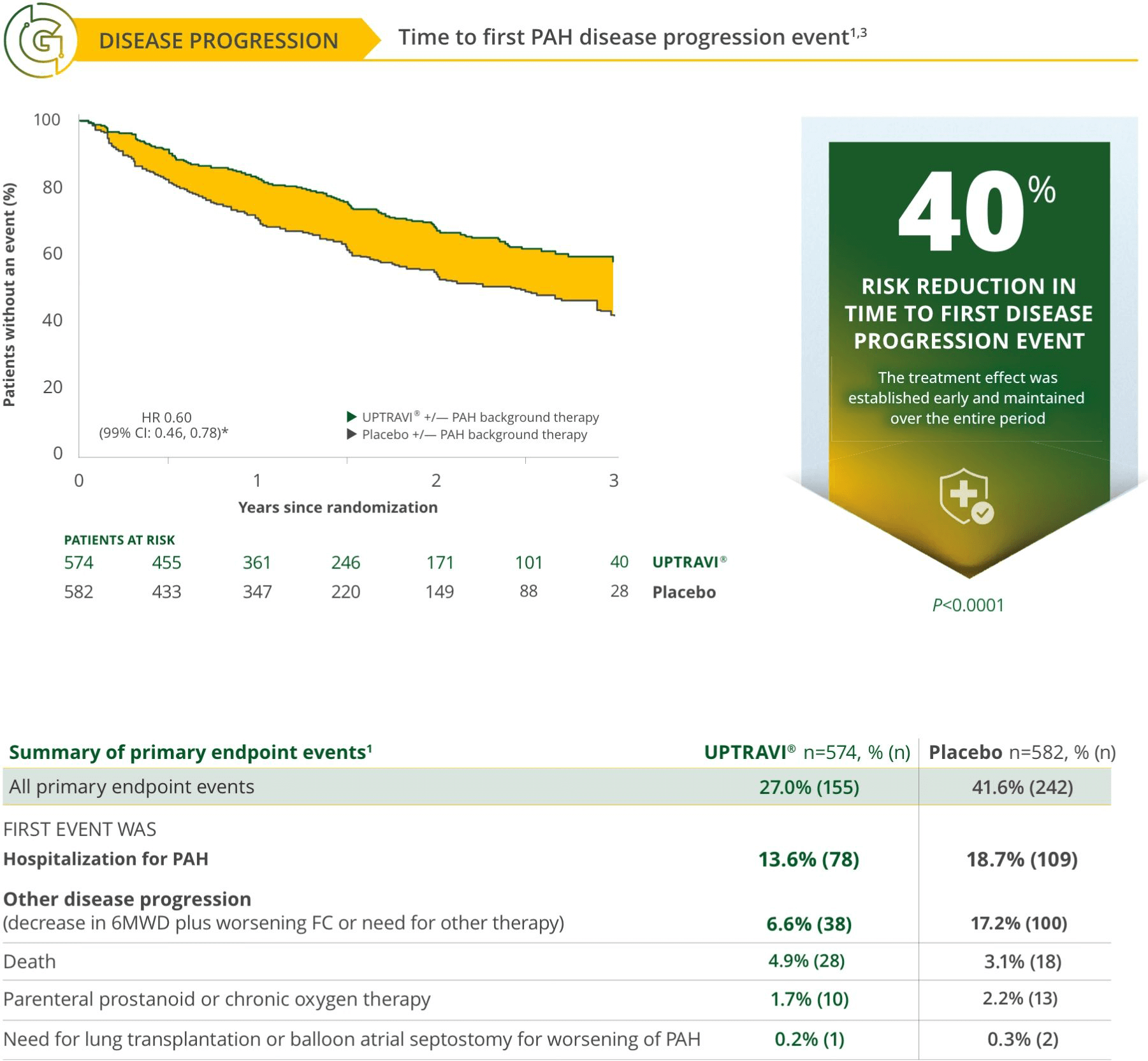
  • Treatment with UPTRAVI® resulted in a 40% risk reduction (99% CI: 22% to 54%; P<0.0001; HR 0.60) in disease progression compared with placebo (27% [155/574] vs 41.6% [242/582], respectively)1,2
  • Adverse reactions occurring more frequently (≥5%) on UPTRAVI® compared with placebo are headache, diarrhea, jaw pain, nausea, myalgia, vomiting, pain in extremity, and flushing1

The primary endpoint was the time to first PAH disease progression event: a) death, b) hospitalization for PAH, c) need for lung transplantation or balloon atrial septostomy for worsening of PAH, d) parenteral prostanoid or chronic oxygen therapy, or e) other disease progression (decrease in 6MWD plus worsening of FC or need of other therapy).

Hazard ratio based on primary endpoint events up to the end of treatment.

6MWD=6-minute walk distance; CI=confidence interval; FC=Functional Class; GRIPHON=Prostacyclin (PGI2) Receptor Agonist In Pulmonary Arterial HypertensiON; HR=hazard ratio; PAH=pulmonary arterial hypertension; WHO=World Health Organization.


REAL-WORLD EVIDENCE: THE SPHERE REGISTRY

Studied in a Broad Range of Patients With PAH3

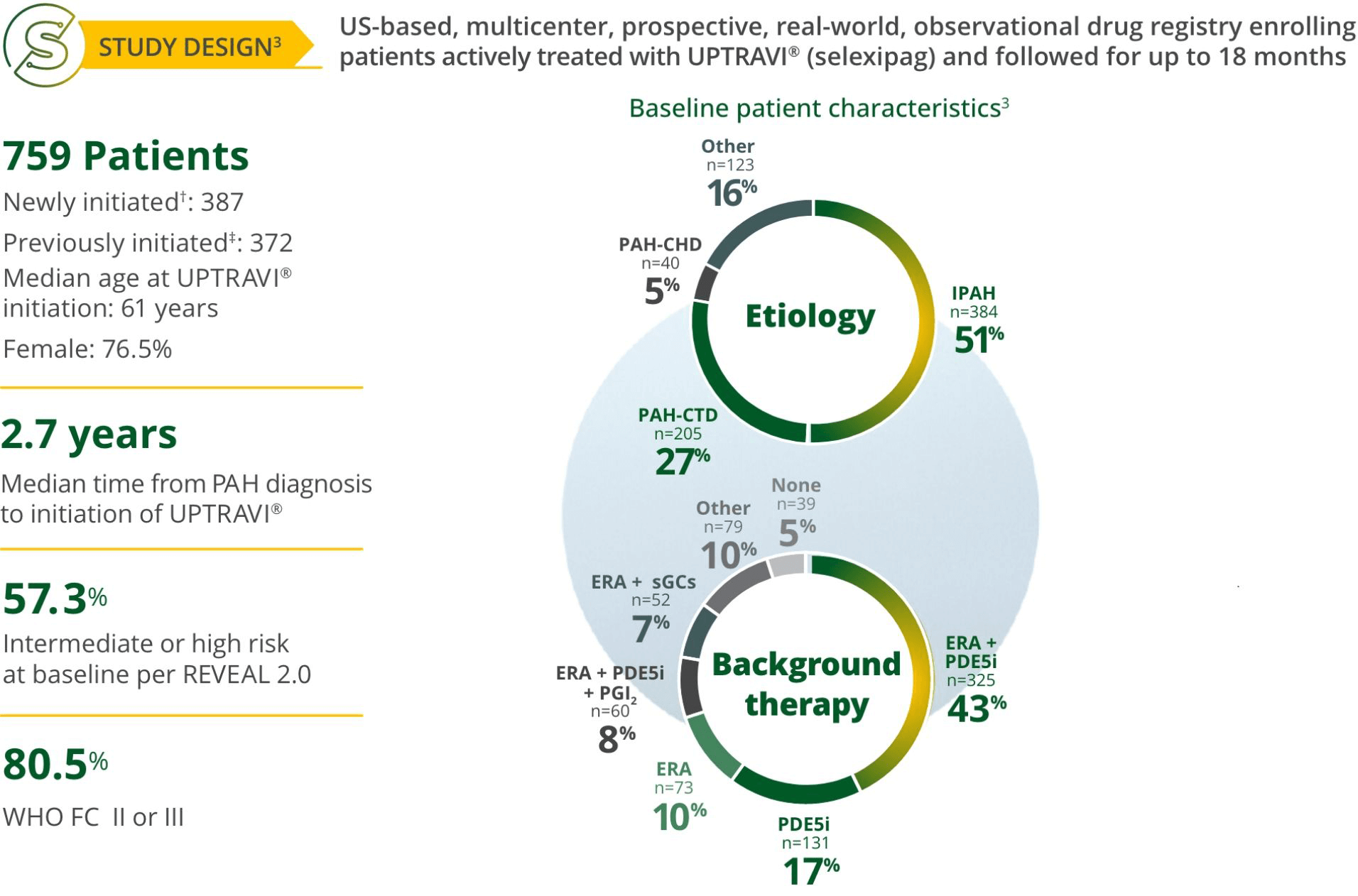
SPHERE (SelexiPag: tHe usErs dRug rEgistry) is the largest real-world registry of a prostacyclin pathway agent to date in the United States3-6*

SPHERE study design chart

Patients aged ≥18 years were enrolled from November 2016 to March 2020 and followed for up to 18 months. UPTRAVI® was initiated by the treating physician per routine clinical practice.§ There were no study-mandated visits or procedures. Data were collected at enrollment and every 3 months thereafter via electronic case report. AEs were collected from enrollment to the last UPTRAVI® dose. During the titration phase, AEs associated with the mode of action of UPTRAVI® were collected only if they were defined as serious, led to discontinuation of UPTRAVI®, or reflected an unusual pattern of severity according to investigator judgment.3

Important considerations3

  • The main limitations of this study are related to its observational nature, including: the potential bias introduced by including previously initiated patients for whom no data were collected between treatment initiation and study enrollment, incomplete records reflective of clinical practice can impact interpretation of findings, and the data analyses reported are descriptive only. No clinical conclusions can be drawn due to these limitations of this study
  • As a drug registry (rather than a disease registry), SPHERE recruited only patients receiving UPTRAVI®, who typically take UPTRAVI® as part of combination therapy. This introduced bias in favor of combination therapy recipients
  • The following may contain data, conclusions, and recommendations that do not conform to the US FDA-approved labeling for the product discussed herein. UPTRAVI® should be used only as specified in the Prescribing Information for UPTRAVI®. Due to the real-world nature of the study, patients receiving UPTRAVI® who had PH but not PAH also participated; however, for the present analysis, we have focused on patients with PAH. Please see the full Prescribing Information for UPTRAVI® for adequate directions for use for the approved indication

Based on published data as of January 7, 2025.

Newly initiated=patients who started UPTRAVI® ≤60 days before enrollment.

Previously initiated=patients who started UPTRAVI® >60 days before enrollment.

Patients were excluded if they had previously received UPTRAVI® in a clinical trial, previously discontinued UPTRAVI® for any reason before enrollment, or participated in a blinded clinical trial or trial of any unapproved drug.3

AE=adverse event; ERA=endothelin receptor antagonist; FDA=US Food and Drug Administration; IPAH=idiopathic PAH; PAH-CHD=PAH associated with congenital heart disease with repaired shunts; PAH-CTD=PAH associated with connective tissue disease; PDE5i=phosphodiesterase type 5 inhibitor; PGI2=prostacyclin; PH=pulmonary hypertension; REVEAL=Registry to EValuate EArly and Long-term PAH Disease Management; sGCs=soluble guanylate cyclase stimulator.


Safety in the SPHERE Registry

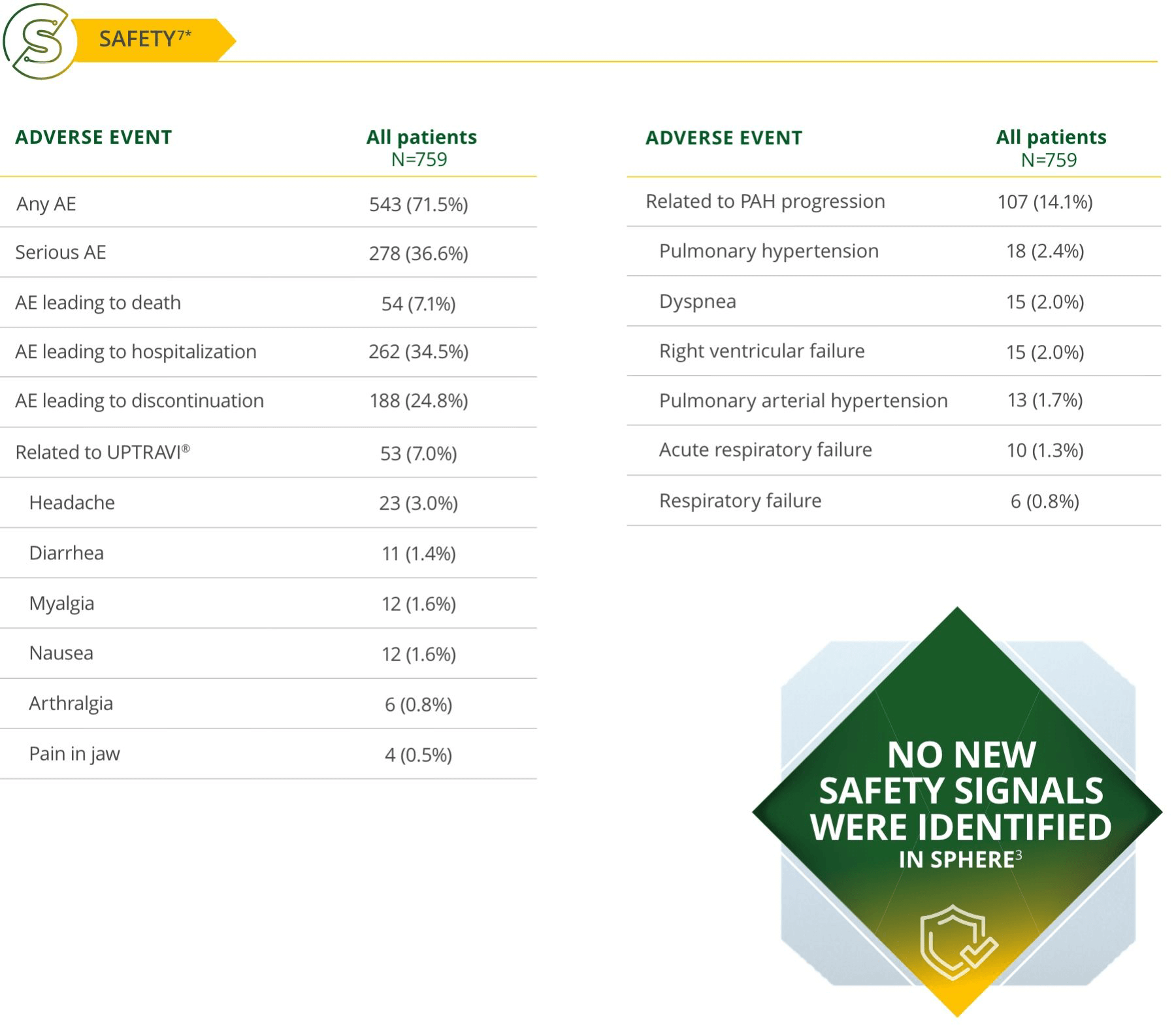
Overview of AEs in the PAH population

overview of AEs in the PAH population table + No new safety signals icon

By 18 months, 22.0% of patients with PAH had discontinued UPTRAVI® due to AEs (32.0% of the newly initiated group; 11.9% of the previously initiated group).3


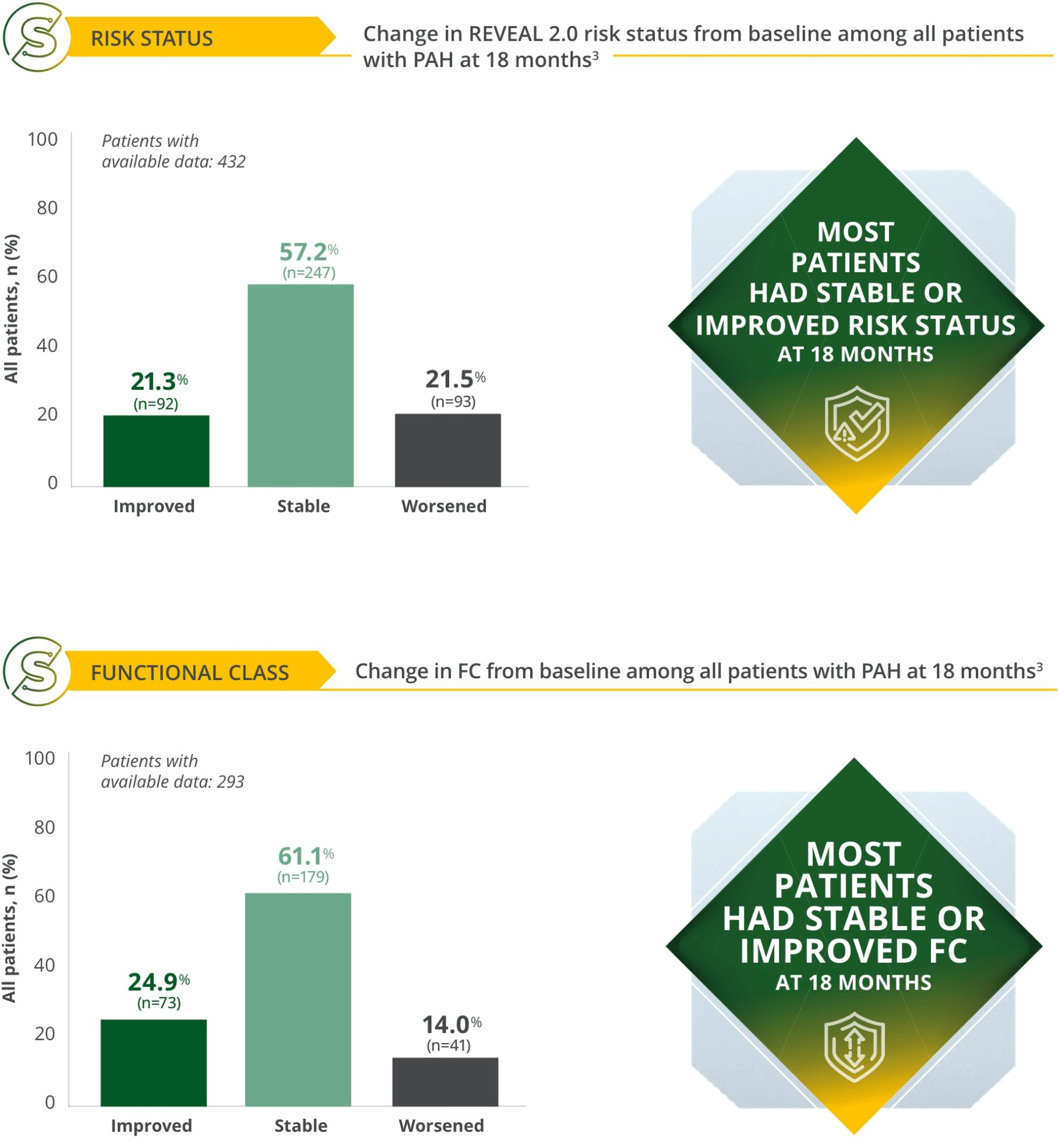
Changes in Risk Status and Functional Class

Changes in risk status chart + Changes in functional class chart

REVEAL=Registry to EValuate EArly and Long-term PAH Disease Management.

References: 1. UPTRAVI® (selexipag) full Prescribing Information. Actelion Pharmaceuticals US, Inc. 2. Sitbon O, Channick R, Chin KM, et al. Selexipag for the treatment of pulmonary arterial hypertension. N Engl J Med. 2015;373:2522-2533. 3. McLaughlin V, Farber HW, Highland KB, et al. Disease characteristics, treatments, and outcomes of patients with pulmonary arterial hypertension treated with selexipag in real-world settings from the SPHERE Registry (SelexiPag: tHe usErs dRug rEgistry). J Heart Lung Transplant. 2024;43(2):272-283. 4. Lachant D, Minkin R, Swisher J, et al. Safety and efficacy of transitioning from selexipag to oral treprostinil in pulmonary arterial hypertension: findings from the ADAPT registry. Pulm Pharmacol Ther. 2023;82:102232. doi:10.1016/j.pupt.2023.102232. 5. Frantz RP, Schilz RJ, Chakinala MM, et al. Hospitalization and survival in patients using epoprostenol for injection in the PROSPECT observational study. Chest. 2015;147(2):484-494. 6. Evaluate Real-World Use of Next Generation Infusion Pumps to Administer Remodulin (EVOLVE). Clinicaltrials.gov identifier: NCT05060315. Updated January 16, 2025. Accessed January 22, 2025. https://clinicaltrials.gov/study/NCT05060315 7. Data on file. Actelion Pharmaceuticals US, Inc. SPHERE Adverse Events in Patients With PAH. February 9, 2024.

KOL Headshot KOL Headshot

Based on real-world evidence from the SPHERE registry, I consider prescribing UPTRAVI® for my appropriate patients with PAH. Based on real-world evidence from the SPHERE registry, I consider prescribing UPTRAVI®...

Mrinalini Krishnan, MD, FACC

Regional Director, Pulmonary Hypertension, Assistant Professor of Medicine, Advanced Heart Failure Cardiologist
MedStar Heart and Vascular Institute
Washington, DC

Mrinalini Krishnan, MD, FACC

Regional Director, Pulmonary Hypertension, Assistant Professor of Medicine, Advanced Heart Failure Cardiologist

MedStar Heart and Vascular Institute

Washington, DC

KOL Headshot

In my practice, risk status is a key consideration in treatment planning, even when patients with PAH appear clinically stable. I reviewed the exploratory analysis from the phase 3 GRIPHON trial, which assessed changes in REVEAL Lite 2 risk score with UPTRAVI® vs placebo, and I recommend you review this data as well.

Mrinalini Krishnan, MD, FACC

Regional Director, Pulmonary Hypertension, Assistant Professor of Medicine, Advanced Heart Failure Cardiologist

MedStar Heart and Vascular Institute

Washington, DC

Dr Mrinalini Krishnan is a paid consultant of Johnson & Johnson.

GRIPHON Trial: The safety and efficacy of UPTRAVI® (selexipag) were demonstrated in a multicenter, double-blind, placebo-controlled, parallel-group, event-driven study in patients with symptomatic PAH (>98% WHO FC II or III). The primary endpoint was the time to first disease progression event.1,2*

  • Treatment with UPTRAVI® resulted in a 40% risk reduction (99% CI: 22% to 54%; P<0.0001; HR 0.60) in disease progression compared with placebo (27% [155/574] vs 41.6% [242/582], respectively)1,2
  • Adverse reactions occurring more frequently (≥5%) on UPTRAVI® compared with placebo are headache, diarrhea, jaw pain, nausea, myalgia, vomiting, pain in extremity, and flushing1

The primary endpoint was the time to first PAH disease progression event: a) death, b) hospitalization for PAH, c) need for lung transplantation or balloon atrial septostomy for worsening of PAH, d) parenteral prostanoid or chronic oxygen therapy, or e) other disease progression (decrease in 6MWD plus worsening of FC or need of other therapy).

Hazard ratio based on primary endpoint events up to the end of treatment.

6MWD=6-minute walk distance; CI=confidence interval; FC=Functional Class; GRIPHON=Prostacyclin (PGI2) Receptor Agonist In Pulmonary Arterial HypertensiON; HR=hazard ratio; WHO=World Health Organization.


GRIPHON Post Hoc Analysis: REVEAL Lite 23

The analysis described here is post hoc and exploratory. GRIPHON was not designed to assess treatment effects in subgroups defined by risk status. Results should be interpreted with caution

Objective and Study Design

  • This post hoc analysis of the phase 3 GRIPHON study assessed changes in REVEAL Lite 2 risk score with UPTRAVI® versus placebo and whether changes were prognostic or predictive of time to first morbidity/mortality (M/M) event
  • Data from patients with at least 4 REVEAL Lite 2 parameters were included and risk scores were calculated at baseline (randomization), Weeks 16, 26, and 52
  • There was no safety analysis performed for this post hoc analysis. Please refer to GRIPHON for safety information on UPTRAVI®

Risk Categories Used

Risk Categories

Score

Low

1-5

Intermediate

6-7

High

8+


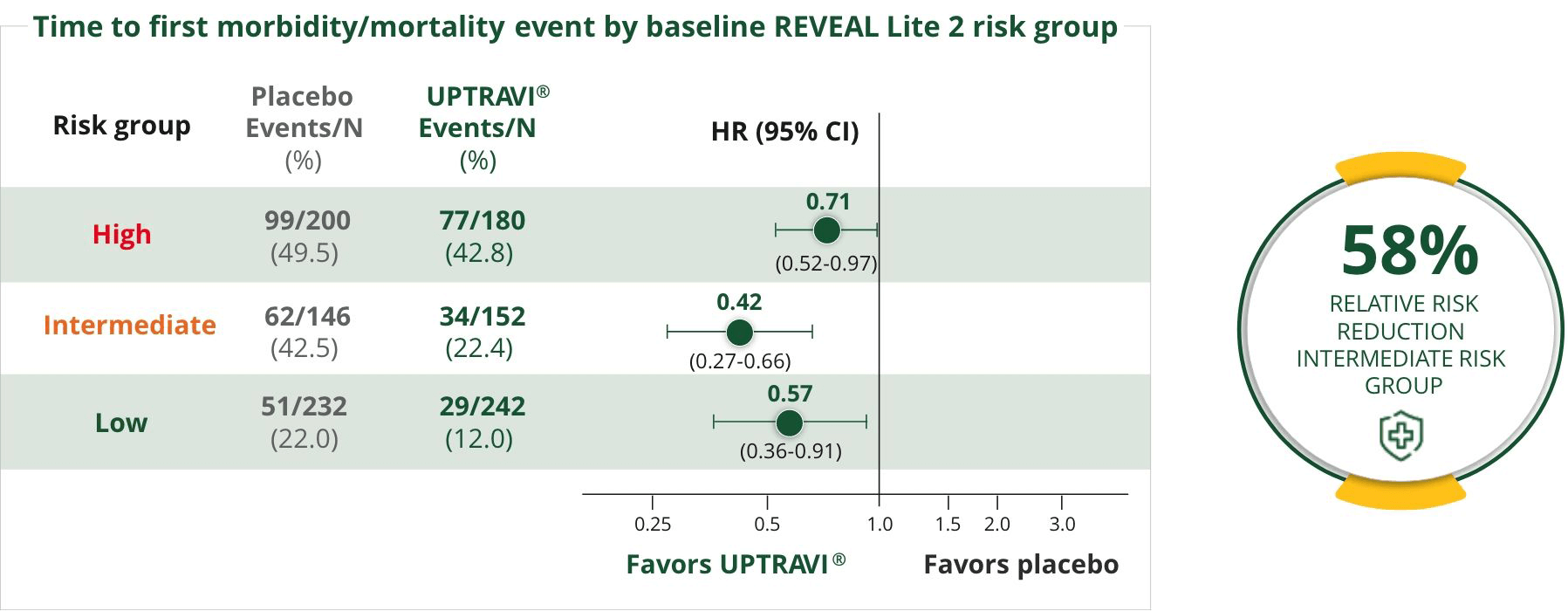
POST HOC ANALYSIS: REVEAL LITE 2 RISK SUBGROUP3*

Treatment effect of UPTRAVI® was observed in all 3 risk groups, regardless of baseline risk category

time to first morbidity/mortality table

Results not adjusted for multiplicity.


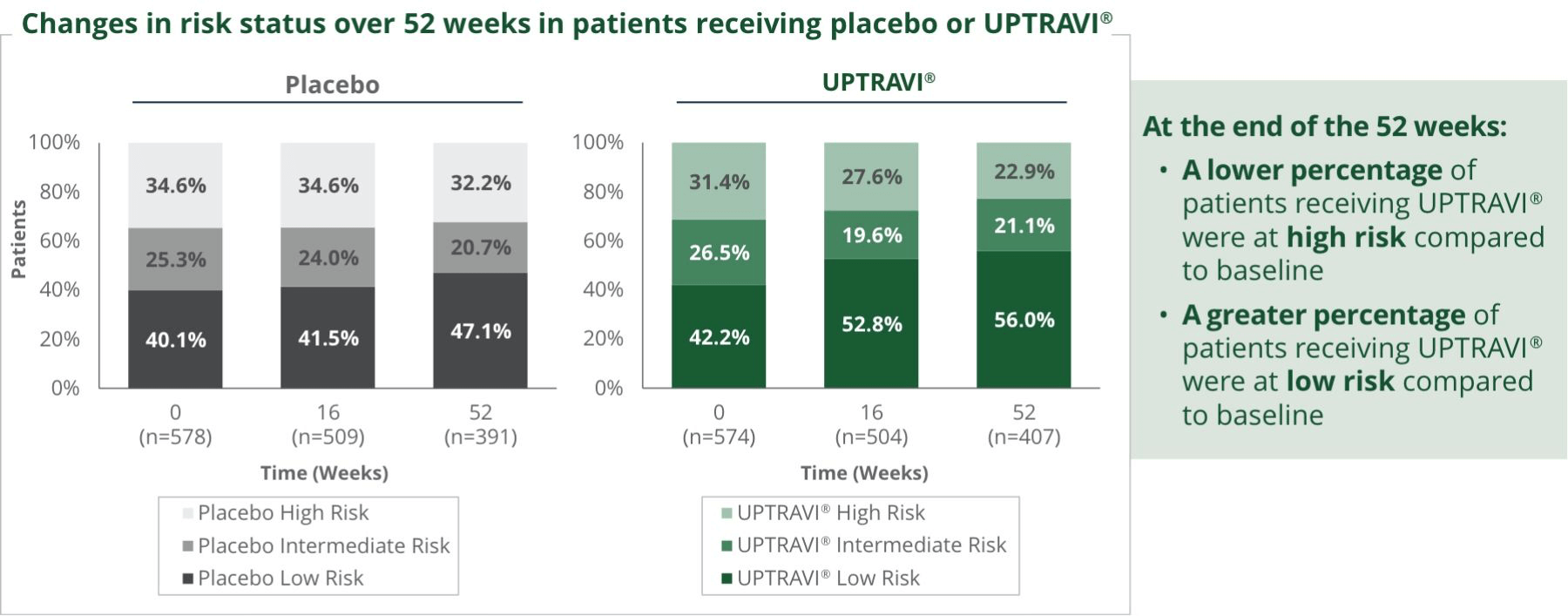
Post Hoc Analysis: REVEAL Lite 2 Risk Status3

REVEAL Lite 2 Risk status chart

References: 1. UPTRAVI® (selexipag) full Prescribing Information. Actelion Pharmaceuticals US, Inc. 2. Sitbon O, Channick R, Chin KM, et al. Selexipag for the treatment of pulmonary arterial hypertension. N Engl J Med. 2015;373:2522-2533. 3. Benza RL, Chin KM, Gaine S, et al. Changes in REVEAL Lite 2 risk status are associated with long-term outcomes in patients with pulmonary arterial hypertension: A post-hoc analysis of the GRIPHON study. J Heart Lung Transplant. 2024;43(12):1998-2007.

plus sign shield icon

In my practice, risk status is a key consideration in treatment planning... In my practice, risk status is a key consideration in treatment planning...

Mrinalini Krishnan, MD, FACC

Regional Director, Pulmonary Hypertension, Assistant Professor of Medicine, Advanced Heart Failure Cardiologist

KOL Headshot

In the GRIPHON trial, UPTRAVI® demonstrated efficacy across all patient maintenance doses, ensuring individualized treatment for pulmonary arterial hypertension. I encourage you to review the patient-centric, oral BID dosing schedule when selecting a treatment option for your appropriate patients.

Mrinalini Krishnan, MD, FACC

Regional Director, Pulmonary Hypertension, Assistant Professor of Medicine, Advanced Heart Failure Cardiologist

MedStar Heart and Vascular Institute

Washington, DC

Dr Mrinalini Krishnan is a paid consultant of Johnson & Johnson.

GRIPHON Trial: The safety and efficacy of UPTRAVI® (selexipag) were demonstrated in a multicenter, double-blind, placebo-controlled, parallel-group, event-driven study in patients with symptomatic PAH (>98% WHO FC II or III). The primary endpoint was the time to first disease progression event.1,2*

  • Treatment with UPTRAVI® resulted in a 40% risk reduction (99% CI: 22% to 54%; P<0.0001; HR 0.60) in disease progression compared with placebo (27% [155/574] vs 41.6% [242/582], respectively)1,2
  • Adverse reactions occurring more frequently (≥5%) on UPTRAVI® compared with placebo are headache, diarrhea, jaw pain, nausea, myalgia, vomiting, pain in extremity, and flushing1

The primary endpoint was the time to first PAH disease progression event: a) death, b) hospitalization for PAH, c) need for lung transplantation or balloon atrial septostomy for worsening of PAH, d) parenteral prostanoid or chronic oxygen therapy, or e) other disease progression (decrease in 6MWD plus worsening of FC or need of other therapy).

Hazard ratio based on primary endpoint events up to the end of treatment.

6MWD=6-minute walk distance; CI=confidence interval; FC=Functional Class; GRIPHON=Prostacyclin (PGI2) Receptor Agonist In Pulmonary Arterial HypertensiON; HR=hazard ratio; PAH=pulmonary arterial hypertension; WHO=World Health Organization.


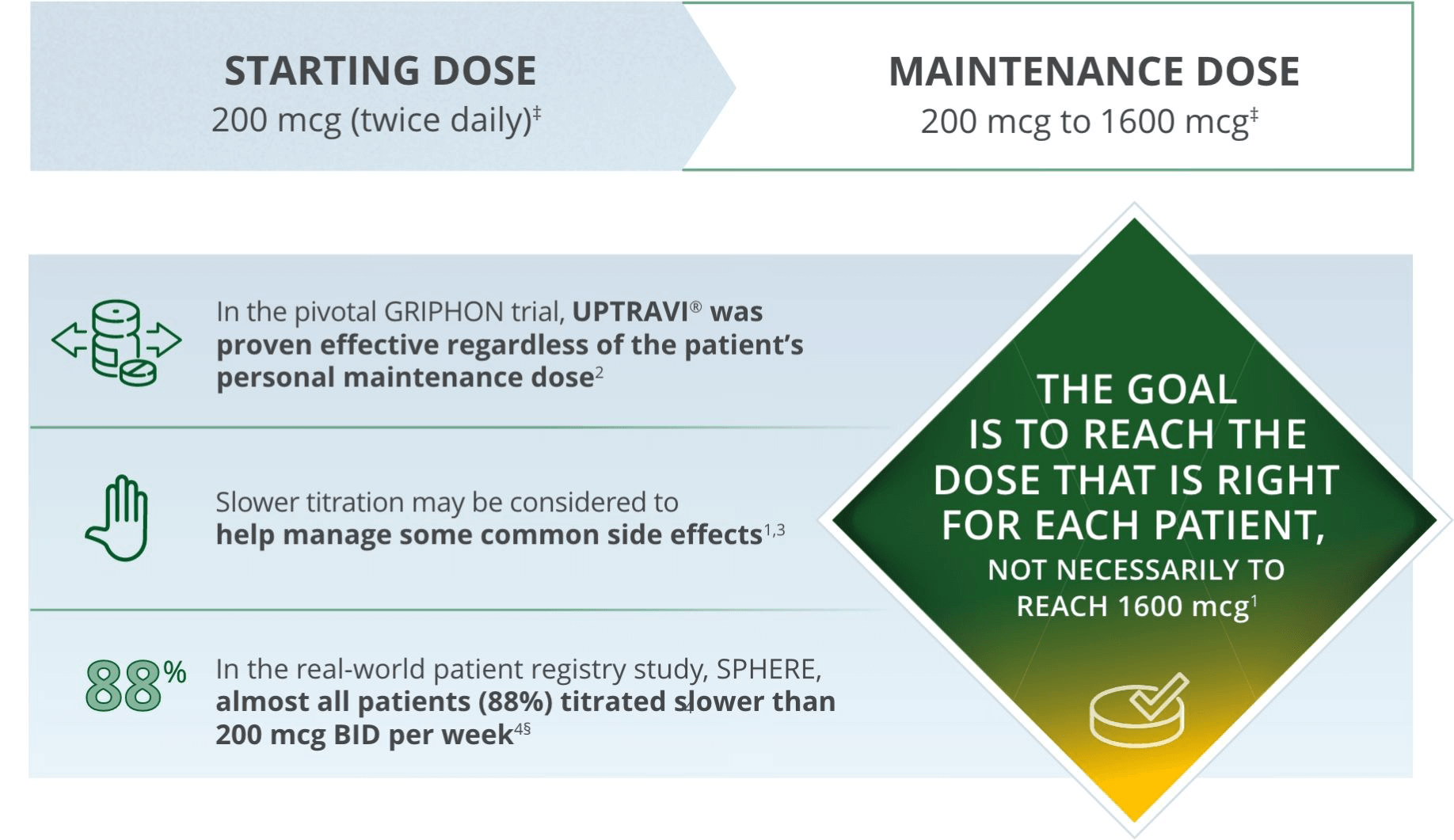
Patient-Centric, Oral BID Dosing1

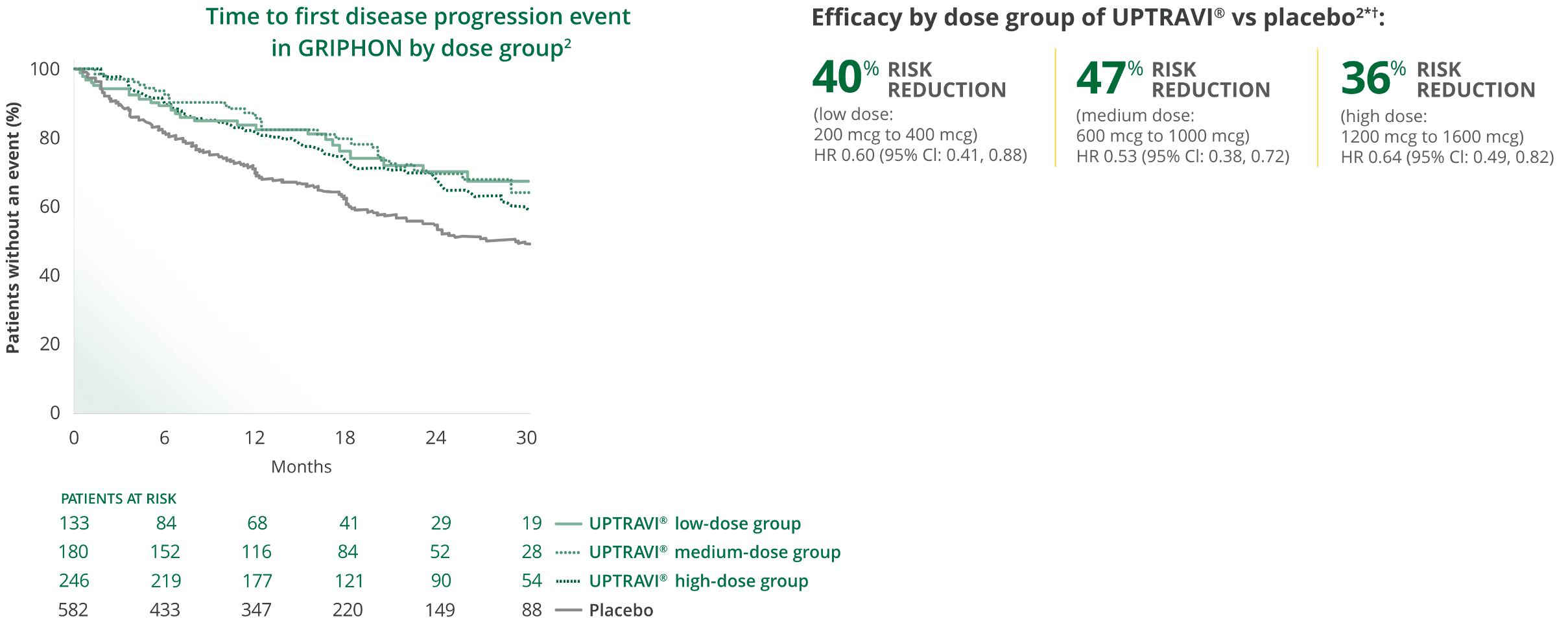
In GRIPHON, UPTRAVI® was proven effective across all ranges of patients’ therapeutic doses2

time to first disease progression chart

The UPTRAVI® (selexipag) dose adjustment phase is how you find your patient’s personal maintenance dose1

dose adjustment phase table

Not adjusted for multiplicity.

UPTRAVI® doses were achieved across the 3 prespecified groups in the GRIPHON trial. 200 mcg to 400 mcg BID (low dose): 23% of patients (n=133). 600 mcg to 1000 mcg BID (medium dose): 31% of patients (n=179). 1200 mcg to 1600 mcg BID (high dose): 43% of patients (n=246). In the UPTRAVI® group, 14 patients discontinued the 200 mcg twice-daily dosage during the dose adjustment phase and 1 patient received doses different from the per protocol dosing; all 15 were assigned to 0 mcg and are not reported here.2

Once daily for patients with moderate hepatic impairment (Child-Pugh class B) and co-administration with moderate CYP2C8 inhibitors (eg, clopidogrel, deferasirox, and teriflunomide). Increase in increments of 200 mcg once daily at weekly intervals.

SPHERE (SelexiPag: tHe usErs dRug rEgistry) is a US-based, multicenter, prospective, real-world, observational drug registry enrolling patients actively treated with UPTRAVI® and followed for up to 18 months.4

BID=twice a day.

References: 1. UPTRAVI® (selexipag) full Prescribing Information. Actelion Pharmaceuticals US, Inc. 2. Sitbon O, Channick R, Chin KM, et al; GRIPHON Investigators. Selexipag for the treatment of pulmonary arterial hypertension. N Engl J Med. 2015;373(26):2522-2533 and suppl. 3. Kingman M, Archer-Chicko C, Bartlett M, et al. Management of prostacyclin side effects in adult patients with pulmonary arterial hypertension. Pulm Circ. 2017;7(3):598-608. 4. McLaughlin V, Farber HW, Highland KB, et al. Disease characteristics, treatments, and outcomes of patients with pulmonary arterial hypertension treated with selexipag in real-world settings from the SPHERE Registry (SelexiPag: tHe usErs dRug rEgistry). J Heart Lung Transplant. 2024;43(2):272-283.

sun moon icon

In the GRIPHON trial, UPTRAVI® demonstrated efficacy across all patient maintenance doses... In the GRIPHON trial, UPTRAVI® demonstrated efficacy across all patient maintenance doses...

Mrinalini Krishnan, MD, FACC

Regional Director, Pulmonary Hypertension, Assistant Professor of Medicine, Advanced Heart Failure Cardiologist

KOL Headshot

I am confident prescribing UPTRAVI® for my appropriate patients with PAH based on the evidence from the GRIPHON trial, which demonstrated its efficacy in delaying disease progression and reducing the risk of PAH-related hospitalization.

Mrinalini Krishnan, MD, FACC

Regional Director, Pulmonary Hypertension, Assistant Professor of Medicine, Advanced Heart Failure Cardiologist

MedStar Heart and Vascular Institute

Washington, DC

Dr Mrinalini Krishnan is a paid consultant of Johnson & Johnson.

PIVOTAL TRIAL: GRIPHON

Proven in a Broad Range of Patients1

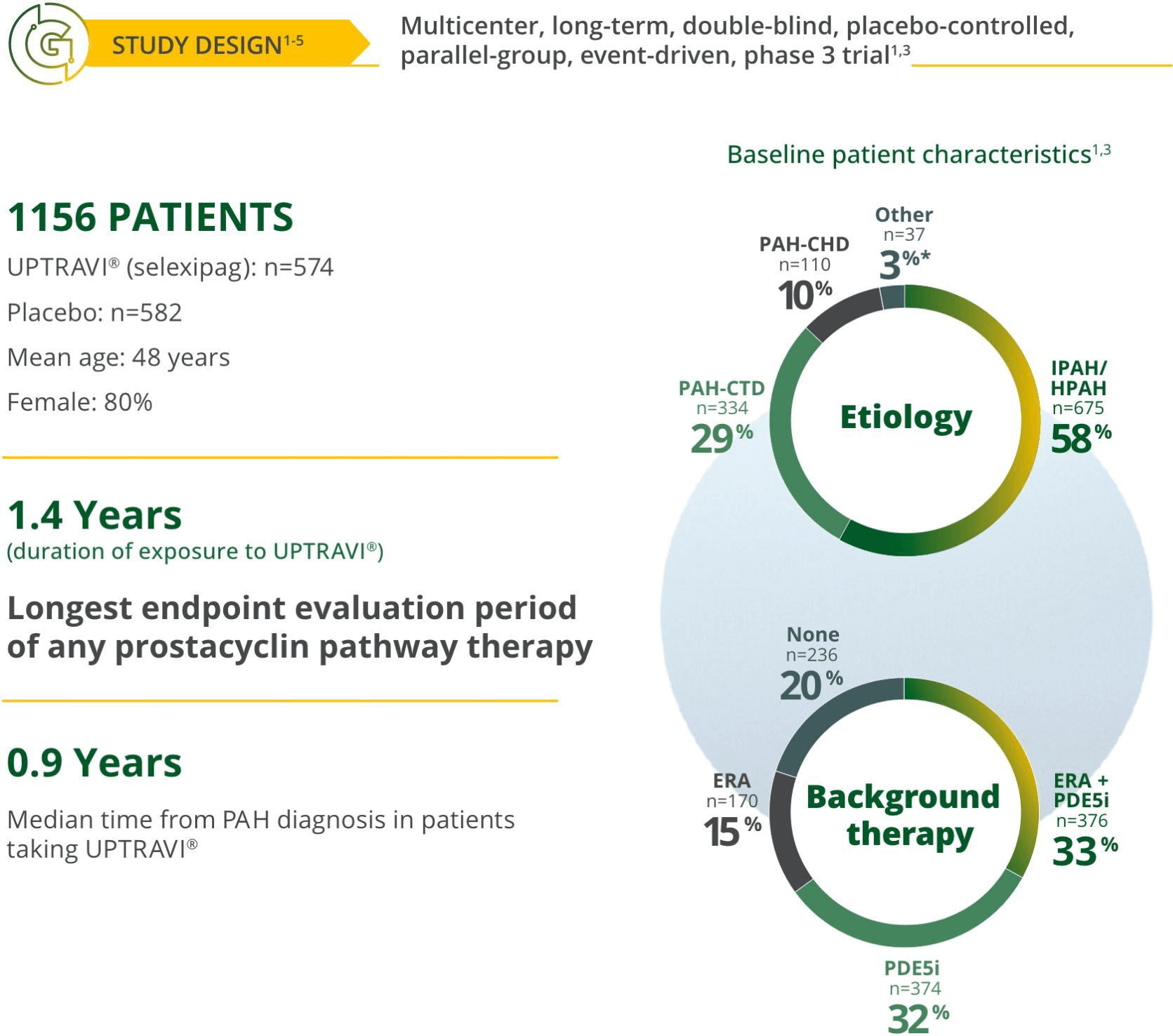
GRIPHON is the largest PAH pivotal trial, studied as monotherapy, dual therapy (ERA or PDE5i) and triple therapy (ERA+PDE5i)1,2

GRIPHON Pivotal Trial Study Design chart

Other=drugs and toxins (2%) and HIV (1%).

ERA=endothelin receptor antagonist; GRIPHON=Prostacyclin (PGI2) Receptor Agonist In Pulmonary Arterial HypertensiON; HIV=human immunodeficiency virus; HPAH=heritable PAH; IPAH=idiopathic PAH; PAH=pulmonary arterial hypertension; PAH-CHD=PAH associated with congenital heart disease with repaired shunts; PAH-CTD=PAH associated with connective tissue disease; PDE5i=phosphodiesterase type 5 inhibitor.


UPTRAVI® Delays Disease Progression1

Disease progression chart

Hazard ratio based on primary endpoint events up to the end of treatment.

6MWD=6-minute walk distance; CI=confidence interval; FC=Functional Class; HR=hazard ratio.


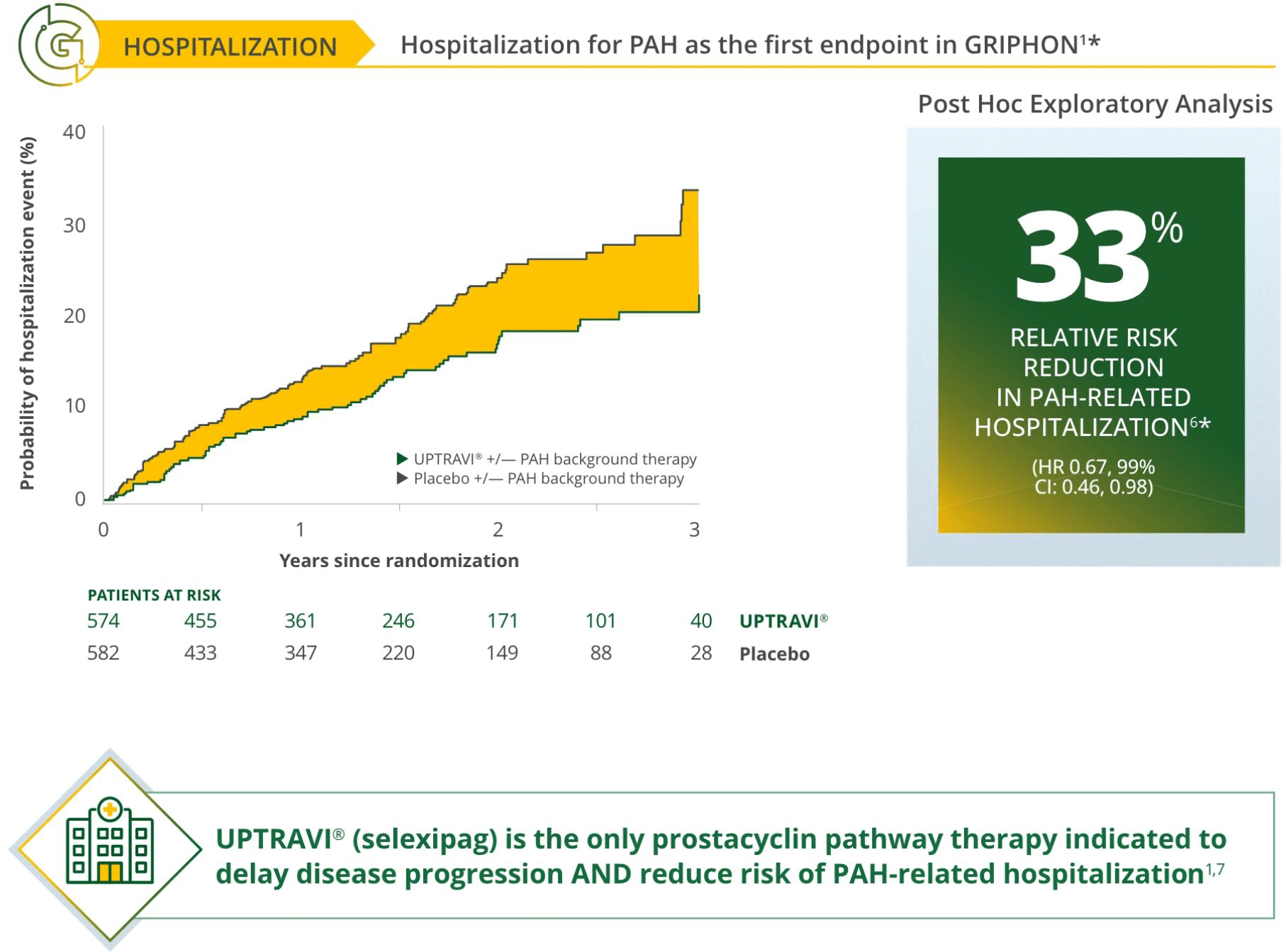
Changes in PAH-Related Hospitalization With UPTRAVI®

Changes in hospitalization chart + hospital icon

Not adjusted for multiplicity.


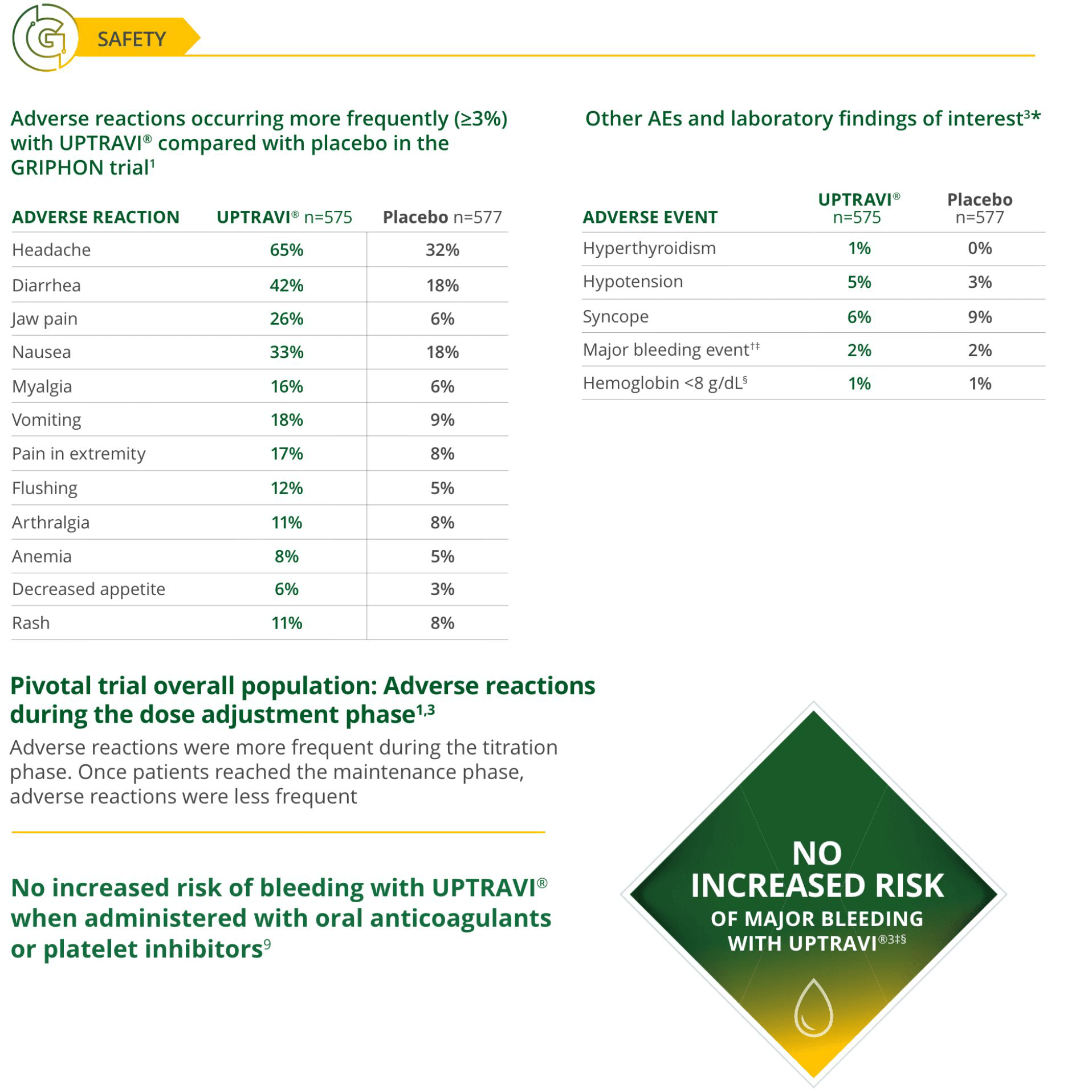
Demonstrated Consistent, Long-Term Safety1,8

Established across GRIPHON (N=1156) and open-label extension.

Adverse reactions table + No increased risk icon

The incidence of AEs of interest that led to discontinuation of the study regimen included the following: hyperthyroidism (none with placebo and 1 with UPTRAVI®), hypotension (2 with placebo and none with UPTRAVI®), syncope (2 with placebo and 1 with UPTRAVI®), and major bleeding event (4 with placebo and 2 with UPTRAVI®). No events of anemia resulted in discontinuation of the study regimen.3

Bleeding events were adjudicated by an independent committee according to the criteria of the International Society on Thrombosis and Haemostasis.3

Major bleeding is defined as fatal bleeding; and/or symptomatic bleeding in a critical area or organ, such as intracranial, intraspinal, intraocular, retroperitoneal, intra-articular or pericardial, or intramuscular with compartment syndrome; and/or bleeding causing a fall in hemoglobin level of 20 g/L (1.24 mmol/L) or more, or leading to transfusion of 2 or more units of whole blood or red blood cells.10

Hemoglobin values were obtained for 563 patients in the placebo group and for 555 patients in the UPTRAVI® group.3

AE=adverse event.


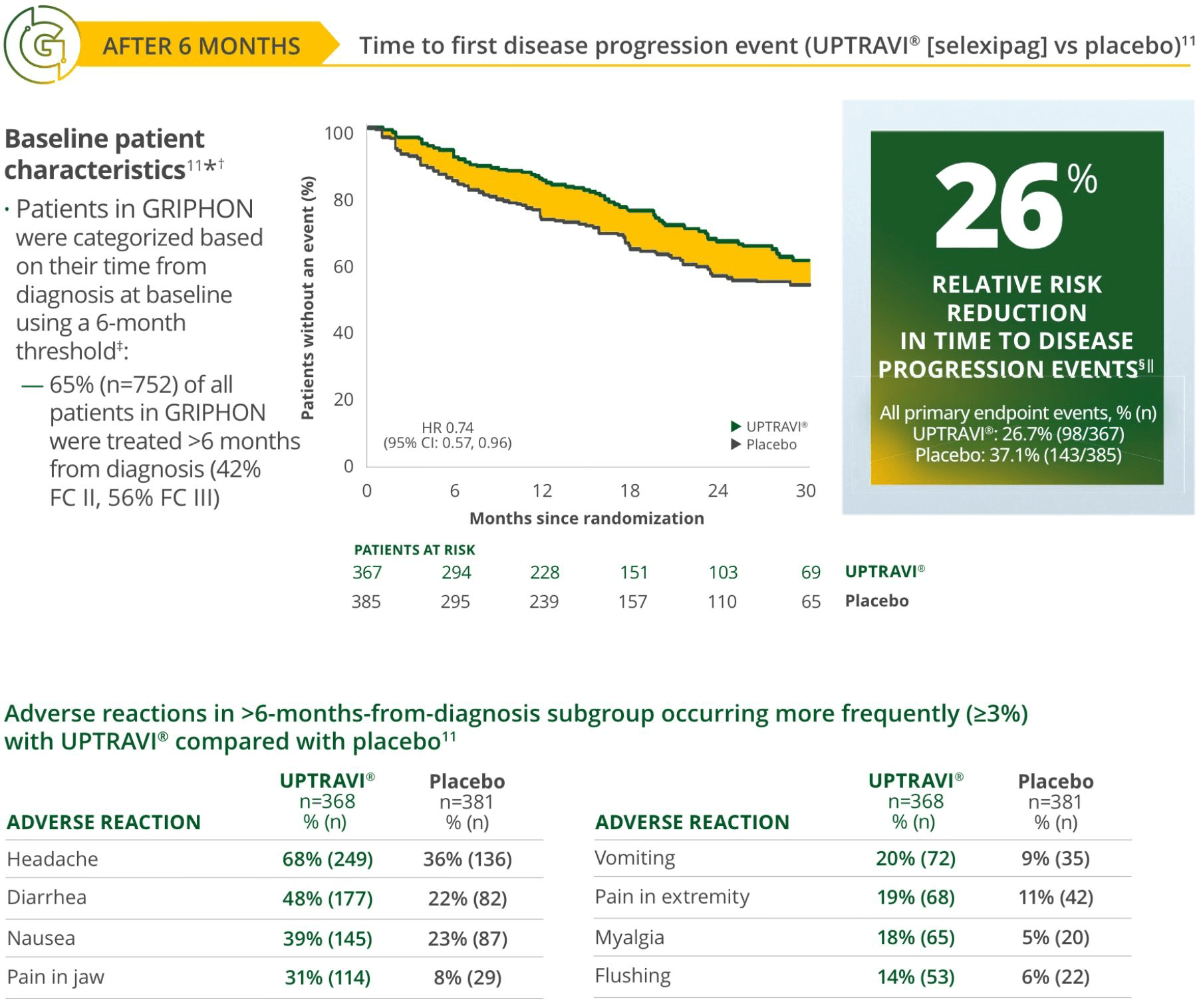
Post Hoc Analysis: >6-Months-From-Diagnosis Subgroup

Post hoc analysis after 6 months chart

The following applies to both post hoc analyses presented here, the within-6-months-from-diagnosis subgroup and the greater-than-6-months-from-diagnosis subgroup. The analyses described here are post hoc and exploratory. These subgroups were not prespecified for evaluation of the primary endpoint. Please note these analyses did not compare patients treated within 6 months of PAH diagnosis with patients treated after 6 months of PAH diagnosis. Sample size should be considered, and results should be interpreted with caution.11

Mean age for >6 months subgroup: UPTRAVI® (50 years), placebo (50 years). FC II in >6 months subgroup: UPTRAVI® (44%), placebo (41%).11

28% were receiving PDE5i monotherapy, 11% were not receiving PAH background therapy, 17% were receiving ERA monotherapy, and 45% were receiving an ERA + PDE5i at baseline.11

This threshold has previously been used to define newly diagnosed patients with PAH.11

Adjusted for the following covariates: baseline PAH therapy, WHO FC, sex, race, age, etiology, geographical region, baseline 6MWD, and NT-proBNP. Not adjusted for multiplicity.11

Hazard ratio based on primary endpoint events up to the end of treatment.11

NT-proBNP=N-terminal pro-brain natriuretic peptide; WHO=World Health Organization.


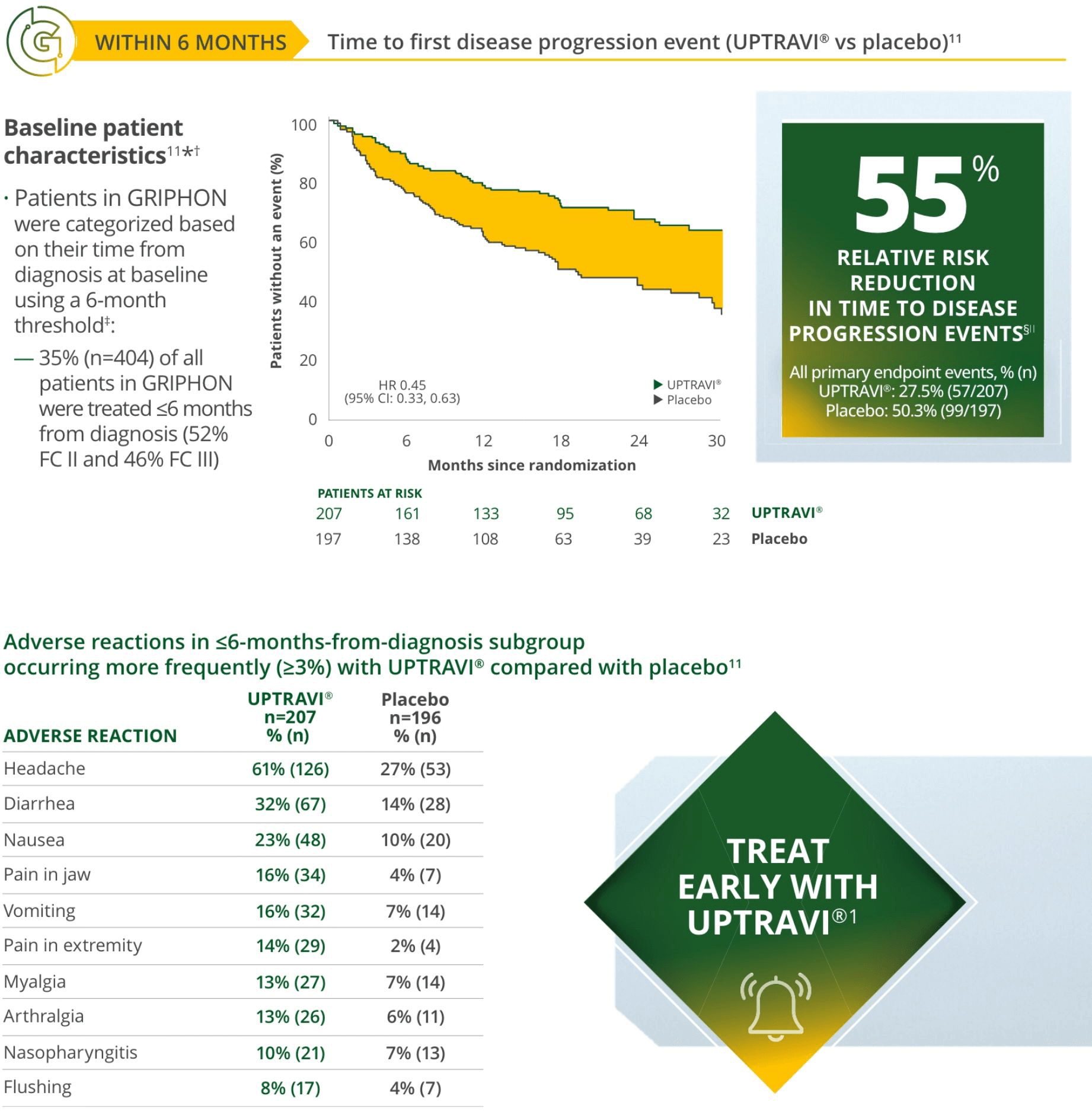
Post Hoc Analysis: ≤6-Months-From-Diagnosis Subgroup

post hoc analysis within 6 months chart + Treat early with UPTRAVI icon

Mean age for ≤6 months subgroup: UPTRAVI® (44 years), placebo (44 years). FC II in ≤6 months subgroup: UPTRAVI® (55%), placebo (49%).11

41% were receiving PDE5i monotherapy, 39% were receiving no background PAH therapy, 10% were receiving ERA monotherapy, and 10% were receiving an ERA + PDE5i at baseline.11

This threshold has previously been used to define newly diagnosed patients with PAH.11

Adjusted for the following covariates: baseline PAH therapy, WHO FC, sex, race, age, etiology, geographical region, baseline 6MWD, and NT-proBNP. Not adjusted for multiplicity.11

Hazard ratio based on primary endpoint events up to the end of treatment.11

References: 1. UPTRAVI® (selexipag) full Prescribing Information. Actelion Pharmaceuticals US, Inc. 2. Data on file. Actelion Pharmaceuticals US, Inc. Length and Population Size of PAH Pivotal Trials Confirmation. June 2024. 3. Sitbon O, Channick R, Chin KM, et al; GRIPHON Investigators. Selexipag for the treatment of pulmonary arterial hypertension. N Engl J Med. 2015;373(26):2522-2533 and suppl. 4. Sitbon O, Gomberg-Maitland M, Granton J, et al. Clinical trial design and new therapies for pulmonary arterial hypertension. Eur Respir J. 2019;53(1):1801908. doi:10.1183/13993003.01908-2018 5. Data on file. Actelion Pharmaceuticals US, Inc. GRIPHON Baseline Characteristics Study Report. 6. Data on file. Actelion Pharmaceuticals US, Inc. UPTRAVI® Hospitalization Confirmation. 7. Data on file. Actelion Pharmaceuticals US, Inc. UPTRAVI® Indication Confirmation. 8. Galiè N, Gaine S, Channick R, et al. Long-term survival, safety and tolerability with selexipag in patients with pulmonary arterial hypertension: results from GRIPHON and its open-label extension. Adv Ther. 2022;39(1):796-810. 9. Data on file. Actelion Pharmaceuticals US, Inc. 10. Schulman S, Kearon C; Subcommittee on Control of Anticoagulation of the Scientific and Standardization Committee of the International Society on Thrombosis and Haemostasis. Definition of major bleeding in clinical investigations of antihemostatic medicinal products in non-surgical patients. J Thromb Haemost. 2005;3(4):692-694. 11. Gaine S, Sitbon O, Channick RN, et al. Relationship between time from diagnosis and morbidity/mortality in pulmonary atrial hypertension: results from the Phase III GRIPHON study. Chest. 2021;160(1):277-286.

KOL Headshot KOL Headshot

I am confident prescribing UPTRAVI® for my appropriate patients with PAH based on the evidence from the GRIPHON trial, which demonstrated its efficacy in delaying disease progression... I am confident prescribing UPTRAVI® for my appropriate patients...

Mrinalini Krishnan, MD, FACC

Regional Director, Pulmonary Hypertension, Assistant Professor of Medicine, Advanced Heart Failure Cardiologist
MedStar Heart and Vascular Institute
Washington, DC

Mrinalini Krishnan, MD, FACC

Regional Director, Pulmonary Hypertension, Assistant Professor of Medicine, Advanced Heart Failure Cardiologist

MedStar Heart and Vascular Institute

Washington, DC

INDICATION

UPTRAVI® (selexipag) is indicated for the treatment of pulmonary arterial hypertension (PAH, WHO Group I) to delay disease progression and reduce the risk of hospitalization for PAH.

Effectiveness of UPTRAVI® Tablets was established in a long-term study in PAH patients with WHO Functional Class II-III symptoms.

Patients had idiopathic and heritable PAH (58%), PAH associated with connective tissue disease (29%), and PAH associated with congenital heart disease with repaired shunts (10%).

IMPORTANT SAFETY INFORMATION

CONTRAINDICATIONS

Concomitant use of strong inhibitors of CYP2C8 (eg, gemfibrozil) with UPTRAVI® is contraindicated.

Hypersensitivity to the active substance or to any of the excipients is contraindicated.

WARNINGS AND PRECAUTIONS

Pulmonary Edema with Pulmonary Veno-Occlusive Disease (PVOD)
Should signs of pulmonary edema occur, consider the possibility of associated PVOD. If confirmed, discontinue UPTRAVI®.

ADVERSE REACTIONS

Adverse reactions more frequent compared to placebo (≥3%) seen with UPTRAVI® Tablets are headache (65% vs 32%), diarrhea (42% vs 18%), jaw pain (26% vs 6%), nausea (33% vs 18%), myalgia (16% vs 6%), vomiting (18% vs 9%), pain in extremity (17% vs 8%), flushing (12% vs 5%), arthralgia (11% vs 8%), anemia (8% vs 5%), decreased appetite (6% vs 3%), and rash (11% vs 8%).

These adverse reactions are more frequent during the dose titration phase.

Hyperthyroidism was observed in 1% (n=8) of patients on UPTRAVI® Tablets and in none of the patients on placebo.

DRUG INTERACTIONS

CYP2C8 Inhibitors
Concomitant administration with gemfibrozil, a strong inhibitor of CYP2C8, doubled exposure to selexipag and increased exposure to the active metabolite by approximately 11-fold. Concomitant use of UPTRAVI® with strong inhibitors of CYP2C8 is contraindicated.

Concomitant administration of UPTRAVI® with clopidogrel, a moderate inhibitor of CYP2C8, had no relevant effect on the exposure to selexipag and increased the exposure to the active metabolite by approximately 2.7-fold. Reduce the dosing of UPTRAVI® to once daily in patients on a moderate CYP2C8 inhibitor.

CYP2C8 Inducers
Concomitant administration with an inducer of CYP2C8 and UGT 1A3 and 2B7 enzymes (rifampin) halved exposure to the active metabolite. Increase UPTRAVI® dose, up to twice, when co-administered with rifampin. Reduce UPTRAVI® when rifampin is stopped.

DOSAGE AND ADMINISTRATION

Recommended Dosage
Recommended starting dose is 200 mcg twice daily for UPTRAVI® Tablets. Tolerability may be improved when taken with food. Increase by 200 mcg twice daily, usually at weekly intervals, to the highest tolerated dose up to 1600 mcg twice daily. If dose is not tolerated, reduce to the previous tolerated dose.

Patients With Hepatic Impairment
For patients with moderate hepatic impairment (Child-Pugh class B), the starting dose of UPTRAVI® Tablets is 200 mcg once daily. Increase by 200 mcg once daily at weekly intervals, as tolerated. Avoid use of UPTRAVI® in patients with severe hepatic impairment (Child-Pugh class C).

Co-administration With Moderate CYP2C8 Inhibitors
When co-administered with moderate CYP2C8 inhibitors (eg, clopidogrel, deferasirox and teriflunomide), reduce the dosing of UPTRAVI® to once daily.

Dosage Strengths
UPTRAVI® tablet strengths:
200, 400, 600, 800, 1000, 1200, 1400, and 1600 mcg.

Additional Important Safety Information for UPTRAVI® IV

Use UPTRAVI® for injection in patients who are temporarily unable to take oral therapy.

Administer UPTRAVI® for injection twice daily by intravenous infusion at a dose that corresponds to the patient’s current dose of UPTRAVI® Tablets (see Table 1 in full Prescribing Information). Administer UPTRAVI® for injection as an 80-minute intravenous infusion.

Adverse Reactions: Infusion-site reactions (infusion-site erythema/redness, pain and swelling) were reported with UPTRAVI® for injection.

Please see full Prescribing Information.

cp-126160v5

© Johnson & Johnson and its affiliates 2025 07/25 cp-526879v1